The world of endurance racing has changed a lot over the years. What started as a test of how strong a cars engine's how long a driver can drive has become a complex mix of technology and strategy. If you are thinking of buying or owning a car for endurance racing understanding these changes can help you appreciate the sport more and make choices about which car to buy. Whether you race on the weekends or compete seriously it is good to know about the history of endurance racing.
The Beginnings of Endurance Racing Technology
Endurance racing started in the 20th century with long-distance challenges that tested the limits of both drivers and cars. Then people focused on making engines stronger. The first cars were heavy and not very advanced. They did not have aerodynamics or lightweight materials. Cars like the Alfa Romeo 8C and the Bentley Speed Six were popular because they were fast and could withstand races on rough roads.. Some owners made mistakes by modifying their cars too much which made them less reliable. They would tune their engines for power without thinking about the rest of the car and this would often lead to big problems during races. It was important to find a balance between power and durability to be successful.
The Change to Aerodynamics and Lightweight Materials
As racing changed people began to understand more about how cars move, especially aerodynamics. In the 1960s aerodynamics started to become important in car design. Cars were made to be more streamlined which helped them move faster with drag. The Ford GT40 is an example of this. It was very successful at Le Mans in the 1960s because of its design, not just its strong engine.
With new materials being developed car makers started using materials like fiberglass and carbon fiber. These materials made cars lighter and safer.. Some buyers made the mistake of prioritizing lightweight materials over the cars overall strength. While being lighter can make a car faster it is important to use these materials in a way that does not compromise the cars performance. For example if a cars frame is too light it might not be stable at speeds, which can be dangerous.
The Introduction of Electronics and Data Analysis
In the 1980s and 1990s electronics started to play a role in endurance racing. Cars were equipped with systems that could collect data in time such as tire pressure and engine temperature. This information was crucial for making decisions during long races. Teams could adjust their plans based on the data they were getting.
However this new technology also introduced problems. Many teams collected a lot of data. Did not know how to use it effectively. They did not train their drivers and engineers to interpret the data, which meant they could not make the most of it. If you are thinking of buying an endurance racing car it is important to have not just the advanced data systems but also the knowledge to use them.
Hybrid Technology: A New Era of Efficiency
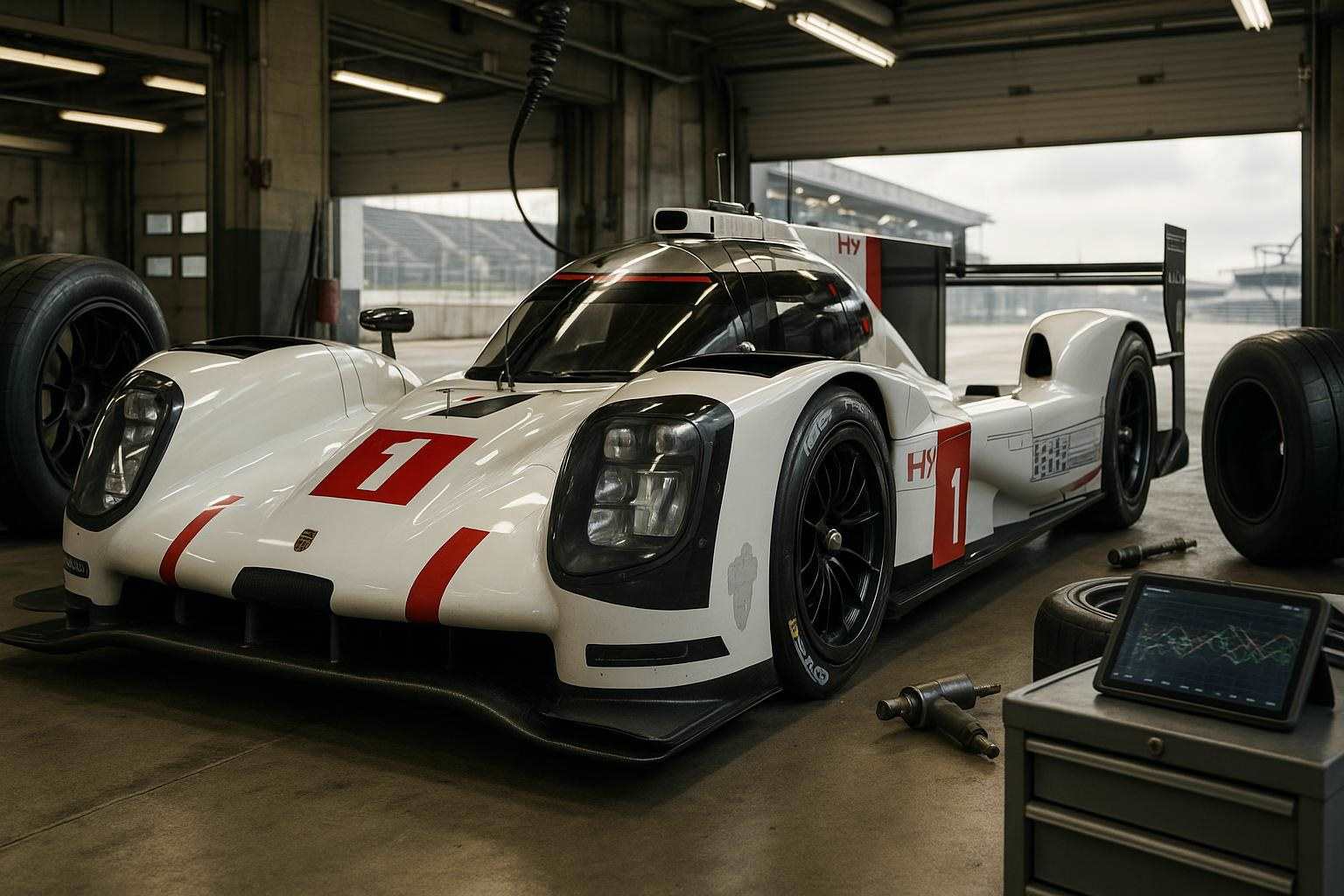
Now we are seeing a change with the rise of hybrid and fully electric cars in endurance racing. Cars like the Porsche 919 Hybrid and Toyota TS050 Hybrid have shown that combining engines with electric power can lead to better efficiency and performance. These cars are designed to use energy in the way possible which means faster lap times and less fuel consumption.
For buyers this presents a choice: should they invest in a hybrid car or stick with traditional engines? Hybrid cars often offer performance and fuel efficiency using electric motors to help when the traditional engine is not enough. However they can be more complex and expensive to maintain because of their advanced battery systems and electric parts. You need to think about your racing goals. If you want to be competitive and care about sustainability a hybrid might be the choice.. If you prefer simplicity and the classic feel of racing a traditional car might be better for you even though it might not be as competitive in todays racing world.
Common Misconceptions and Mistakes in Endurance Racing
There are misconceptions that can lead buyers astray in the world of endurance racing. One common belief is that more horsepower always means performance. While horsepower is important the overall design of the car, including aerodynamics and weight plays a role. A powerful engine in a designed car may not be able to maintain speed especially on tracks that require good handling.
Another mistake is underestimating the importance of the drivers skill. No amount of technology can replace a trained driver who knows how to handle the car. Investing in driver training can make a difference on race day improving both speed and safety. Many teams overlook this thinking that technology alone will lead to success.
Finally many enthusiasts forget about the long-term costs of maintaining high-tech cars. While modern sports cars can offer performance they often have sophisticated systems that require special knowledge to maintain. Buyers should think about these costs when making their decision as relying on service centers that know about advanced technology can be more expensive than expected.
Making the Right Choice in Endurance Racing Technology
Choosing the technology for your endurance racing experience depends on your goals. If you want to compete investing in a modern hybrid or high-tech car with data analysis capabilities makes sense.. If you are more interested in the nostalgia and camaraderie of classic racing a vintage car with a good history might be more fulfilling.
Remember, the evolution of endurance racing technology is not just about having the technology; it's about understanding the trade-offs and appreciating the nuances of each option. By choosing a car that fits your racing goals and making sure you understand the technology involved you can make a choice that enhances both your enjoyment and success on the track. From the engines of the past, to the quiet electric motors of today the journey continues with each lap.